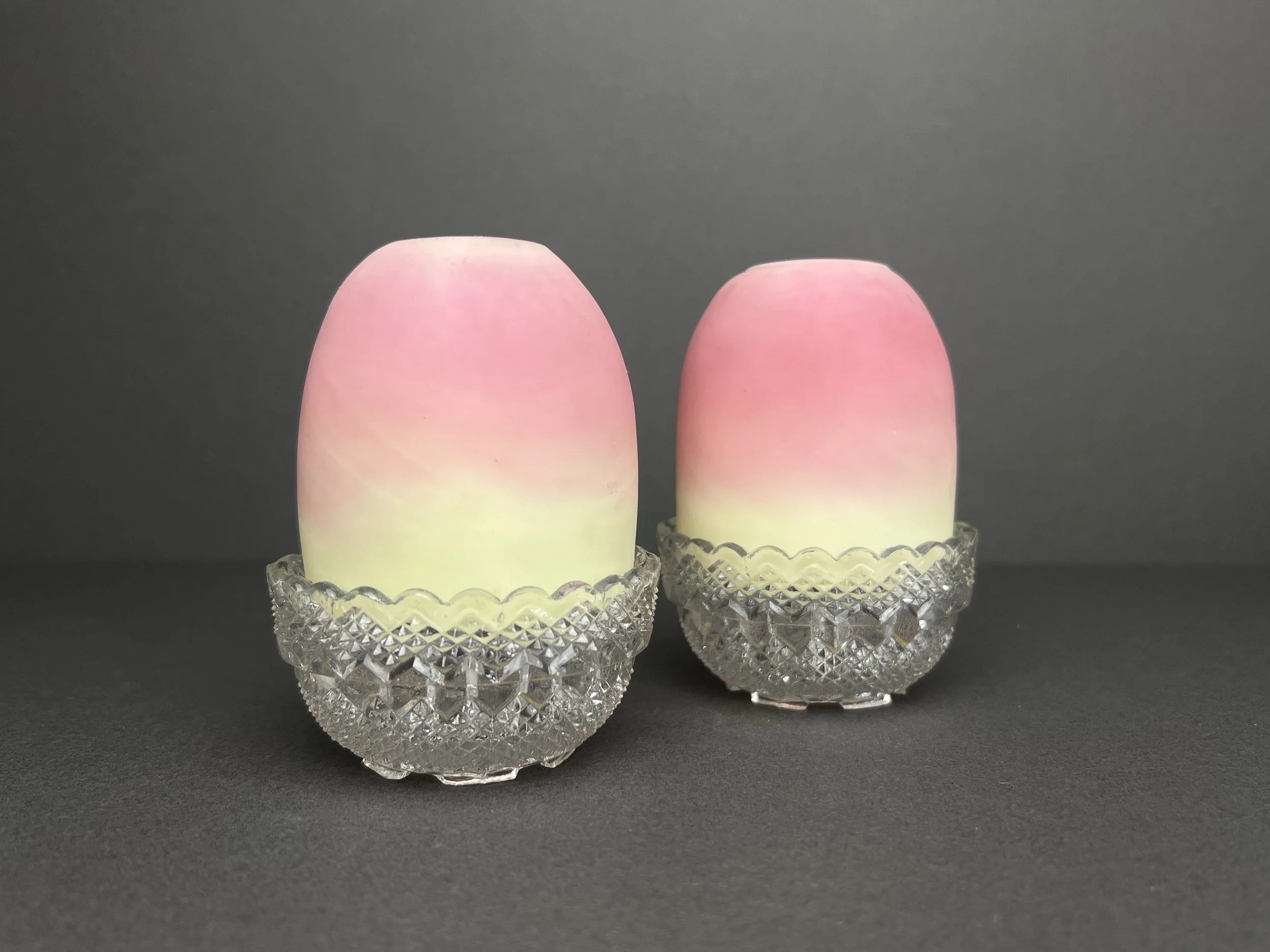
A pair of extremely rare Victorian Burmese glass fairy lamps by Thomas Webb
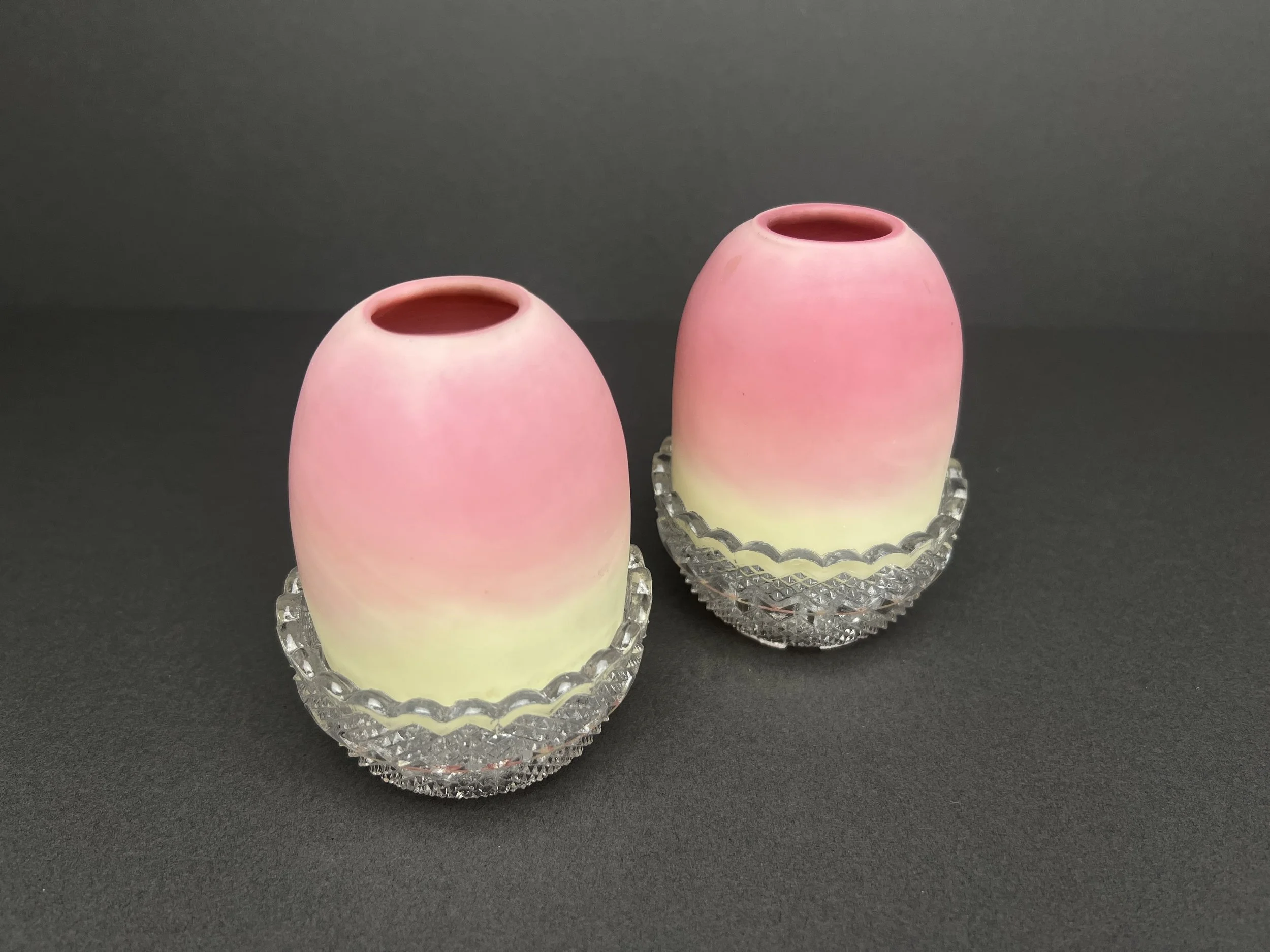
A pair of extremely rare Victorian Burmese glass fairy lamps by Thomas Webb.
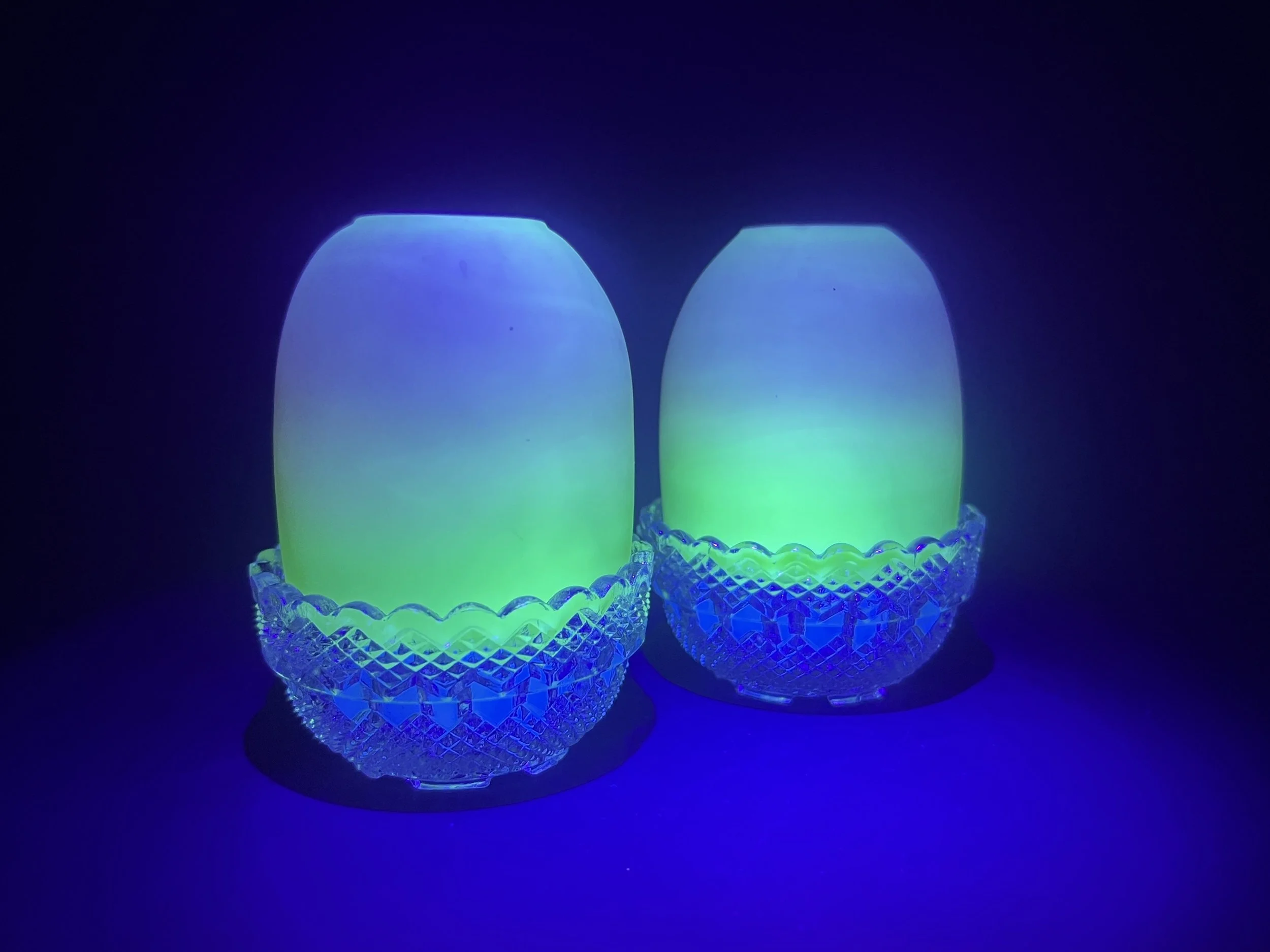
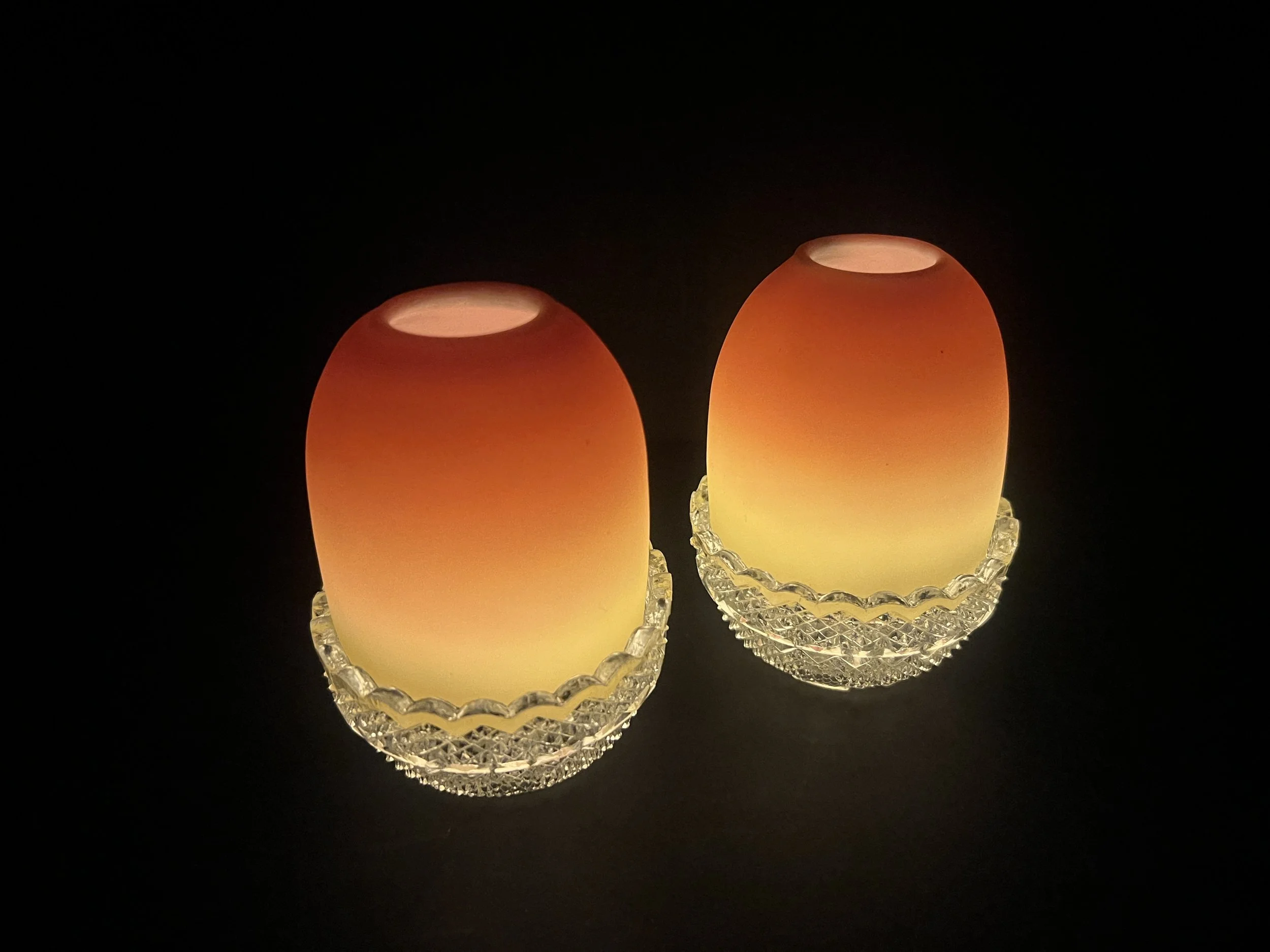
Charming lanterns with a brilliant vibrancy of colour when lit with a tea light.
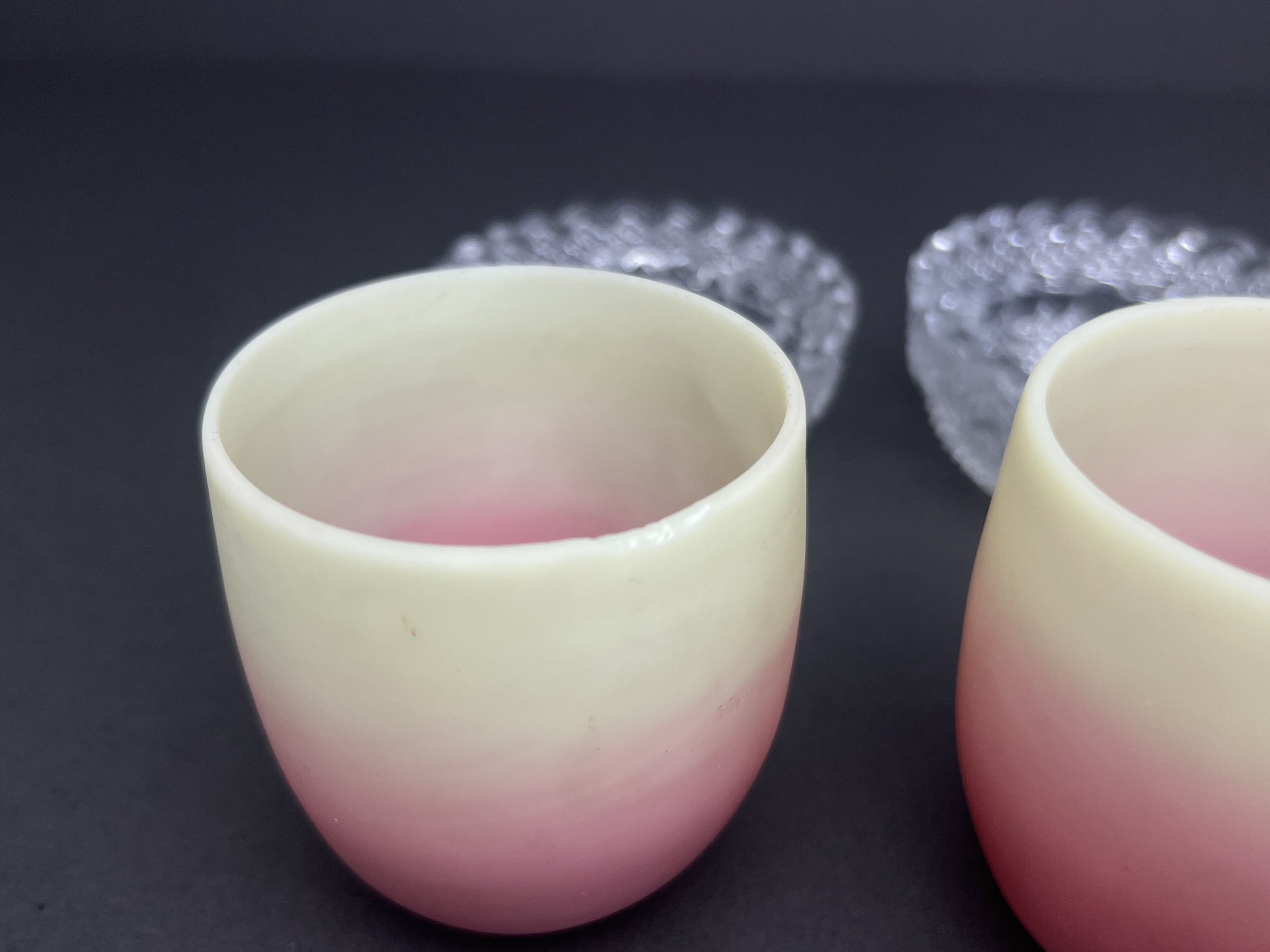
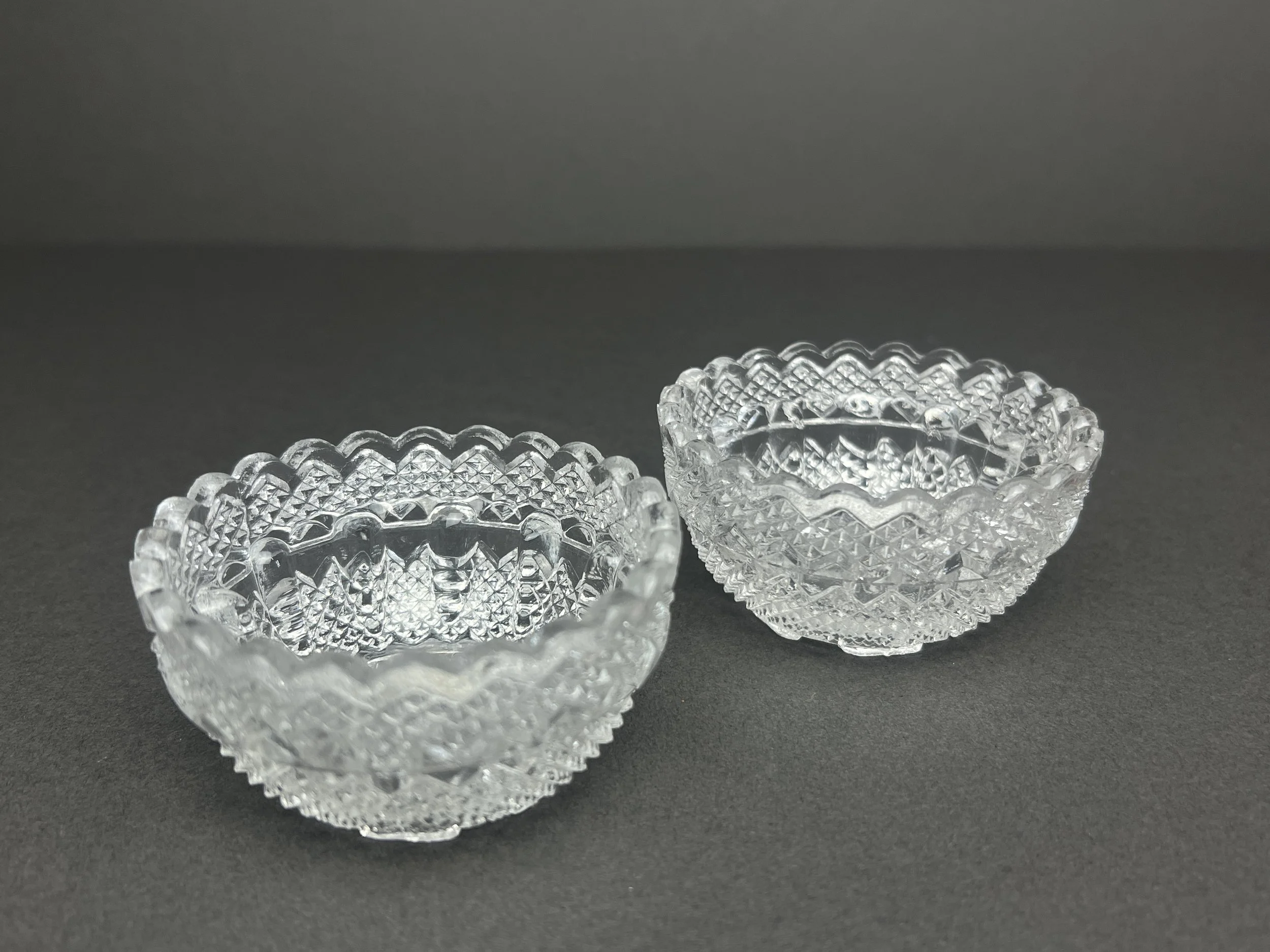
Great condition only a slight nibble to one of the shades on the base rim, doesn't at all deter from the beauty of this item, and is not visible in the glass when together with the base.
Height 10.5 x Width 7.5 cm
Burmese glass was first developed in the United States in the 1880s by the Mount Washington Glass Company in Massachusetts. Their glassmakers created a new formula that produced a delicate shaded effect, usually a creamy yellow base fading into a rosy pink rim. The name “Burmese” was inspired by colours seen in Burmese art and textiles, which were fashionable in the Victorian era.
Thomas Webb’s Version
The English firm Thomas Webb & Sons, based in the Stourbridge glassmaking district, began producing its own version soon afterwards in the late 1880s. Webb obtained rights to manufacture Burmese-style glass for the British market.
Their production was overseen by the company’s artistic director Frederick Shirley, who helped develop elegant shapes and decorative styles.
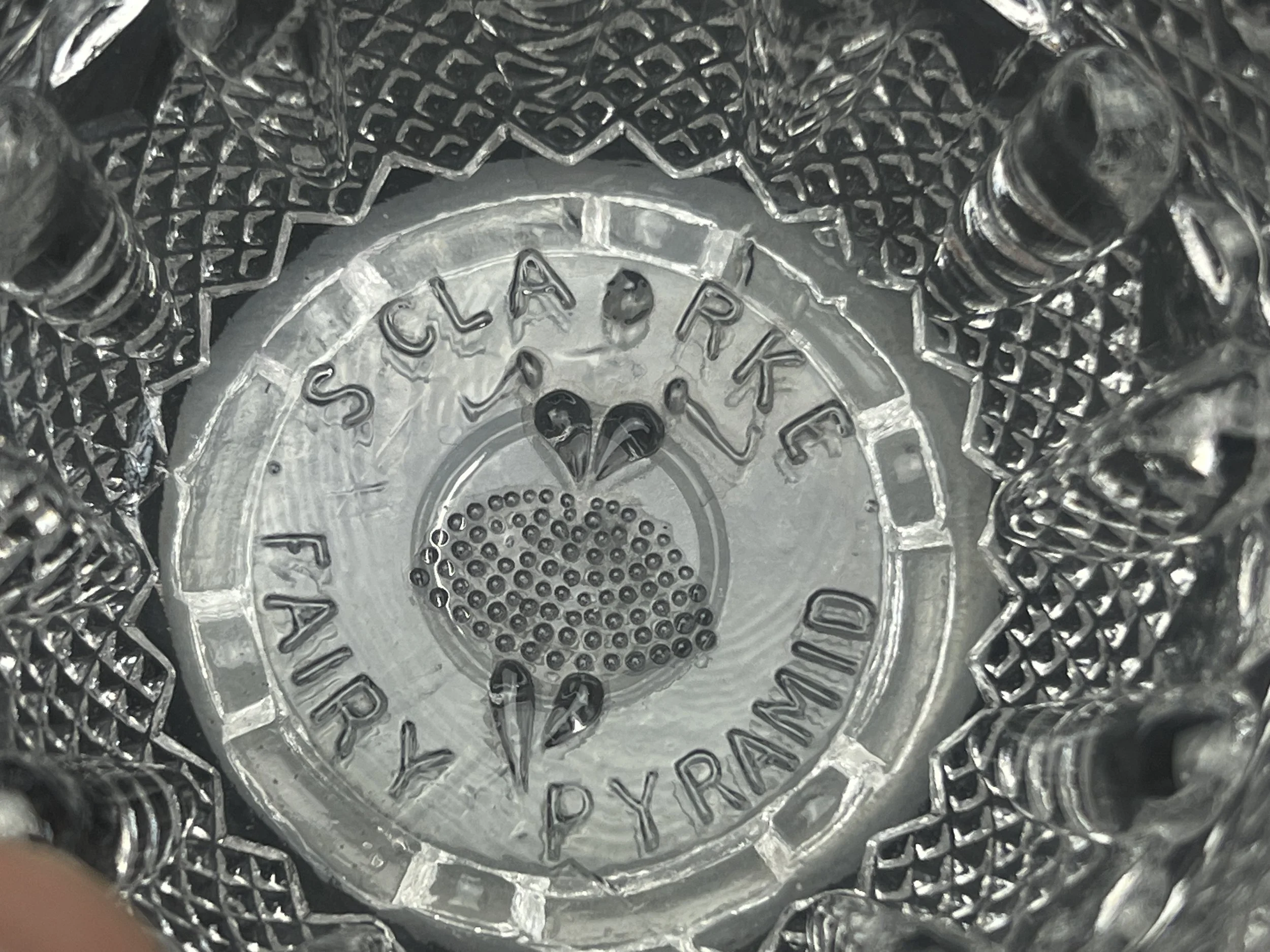
The base is made from clear glass and bears the Clark’s Patent trademark for Cricklite. It is constructed in two pieces. The clear glass candle cup holder is embossed on the base with the wording: “S. Clarke Patent Fairy Cricklite,” along with the familiar dancing fairy trademark in the centre.
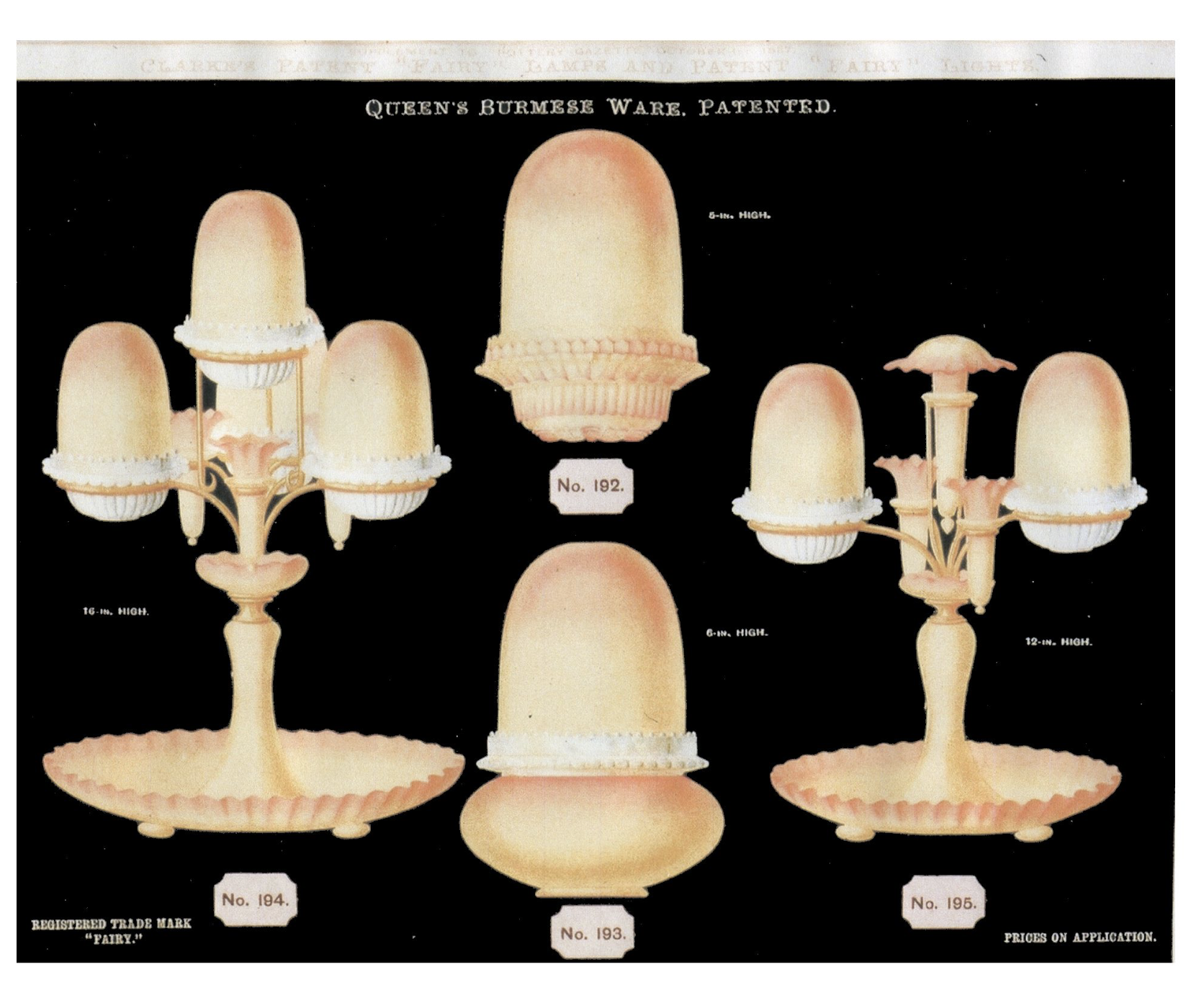
Invented in the 1880's by Samuel Clarke, a London businessman and designer. In 1885, Clarke patented a small glass candle lamp that enclosed the flame inside a dome-shaped shade. His aim was to make candle lighting safer and more stable than exposed candles, which could easily be knocked over.
Clarke marketed the invention through his company Samuel Clarke Ltd under names such as “Fairy Lamps” and later “Cricklite.”
All items are sensitively and minimally cleaned
Any questions please don't hesitate to drop me a message. I am very happy to pass on any additional information, or images you may need, if you are interested in more than one item I can arrange a combined postage price. Many thanks.
All items will be packaged using recycled or reused materials to help minimise any environmental impact.
Please be aware that you are purchasing a vintage item. We mention any obvious defects to the glass such as chips, cracks, etc. in our description but there may also be minor manufacturing faults eg. marks from the mould, straw marks and air bubbles, which is normal for glass of this era.
We offer complimentary Insurance cover with this item, the price of the shipping reflects the complexity of packing such a complicated item, but please be assured were are very experienced in shipping delicate glass internationally.
Just a quick note to all our American customers, we are up to speed on all the new import tariff changes, please feel confident with continuing to order from us, with Royal Mail any excess tariff charges are paid at point of purchase, this insures our customers have no nasty customs costs, we are here to answering any questions you may have, thank you, Kirsty
A pair of extremely rare Victorian Burmese glass fairy lamps by Thomas Webb.
Charming lanterns with a brilliant vibrancy of colour when lit with a tea light.
Great condition only a slight nibble to one of the shades on the base rim, doesn't at all deter from the beauty of this item, and is not visible in the glass when together with the base.
Height 10.5 x Width 7.5 cm
Burmese glass was first developed in the United States in the 1880s by the Mount Washington Glass Company in Massachusetts. Their glassmakers created a new formula that produced a delicate shaded effect, usually a creamy yellow base fading into a rosy pink rim. The name “Burmese” was inspired by colours seen in Burmese art and textiles, which were fashionable in the Victorian era.
Thomas Webb’s Version
The English firm Thomas Webb & Sons, based in the Stourbridge glassmaking district, began producing its own version soon afterwards in the late 1880s. Webb obtained rights to manufacture Burmese-style glass for the British market.
Their production was overseen by the company’s artistic director Frederick Shirley, who helped develop elegant shapes and decorative styles.
The base is made from clear glass and bears the Clark’s Patent trademark for Cricklite. It is constructed in two pieces. The clear glass candle cup holder is embossed on the base with the wording: “S. Clarke Patent Fairy Cricklite,” along with the familiar dancing fairy trademark in the centre.
Invented in the 1880's by Samuel Clarke, a London businessman and designer. In 1885, Clarke patented a small glass candle lamp that enclosed the flame inside a dome-shaped shade. His aim was to make candle lighting safer and more stable than exposed candles, which could easily be knocked over.
Clarke marketed the invention through his company Samuel Clarke Ltd under names such as “Fairy Lamps” and later “Cricklite.”
All items are sensitively and minimally cleaned
Any questions please don't hesitate to drop me a message. I am very happy to pass on any additional information, or images you may need, if you are interested in more than one item I can arrange a combined postage price. Many thanks.
All items will be packaged using recycled or reused materials to help minimise any environmental impact.
Please be aware that you are purchasing a vintage item. We mention any obvious defects to the glass such as chips, cracks, etc. in our description but there may also be minor manufacturing faults eg. marks from the mould, straw marks and air bubbles, which is normal for glass of this era.
We offer complimentary Insurance cover with this item, the price of the shipping reflects the complexity of packing such a complicated item, but please be assured were are very experienced in shipping delicate glass internationally.
Just a quick note to all our American customers, we are up to speed on all the new import tariff changes, please feel confident with continuing to order from us, with Royal Mail any excess tariff charges are paid at point of purchase, this insures our customers have no nasty customs costs, we are here to answering any questions you may have, thank you, Kirsty